

Flange
Ningbo Zhouchi Vehicle Industry Co., Ltd. was founded in 1992, located in Binhai Industrial Park of the beautiful coastal port city -Ningbo. Now our company covers the total area of 16000 square meters, with 150 staffs, including 20 quality inspectors and engineers. Our turnover is around12 Millions USD. Our company specializes in Aluminum Die-casting and Zinc Die-casting, CNC machining and assembling.
Why Choose Us
Experienced Team
Our team of engineers and technicians has years of experience in the industry, and we leverage that expertise to provide our clients with the best possible solutions.
Exceptional Customer Service
We pride ourselves on providing exceptional customer service and technical support to our clients, ensuring that they have a smooth and hassle-free experience.
Quality Products
We use only the highest-grade materials and advanced manufacturing techniques to produce products that are reliable, durable, and perform to the highest standards.
Competitive Price
We have professional sourcing team and cost accounting team, stive to reduce cost and profit and provide you a good price.
Sustainable Development
Establish a good reputation and brand value in the industry, and promote the sustainable, stable, rapid and healthy development of the enterprise.
One Stop Solution
From the begining inquiry and throughout the entire process until you receive the goods. we are dedicated to supporting you every step of the way.
-
![Aluminum Box Cover]() Aluminum Box CoverThis aluminum box cover is made of high-quality metal materials and has excellent performance and advantages. It is an important matching component for various equipment boxes.read more
Aluminum Box CoverThis aluminum box cover is made of high-quality metal materials and has excellent performance and advantages. It is an important matching component for various equipment boxes.read more -
![CNC Flange]() CNC FlangeCNC flange can be precisely machined into various specifications and shapes, thereby achieving the connection and sealing of various pipelines, valves, pumps, and containers. Featuring high...read more
CNC FlangeCNC flange can be precisely machined into various specifications and shapes, thereby achieving the connection and sealing of various pipelines, valves, pumps, and containers. Featuring high...read more -
![Casting Motor Flange]() Casting Motor FlangeCasting motor flange is one of the important components connecting pipelines, commonly found at pipeline joints or equipment inlet and outlet. The function of a die casting machine flange is to...read more
Casting Motor FlangeCasting motor flange is one of the important components connecting pipelines, commonly found at pipeline joints or equipment inlet and outlet. The function of a die casting machine flange is to...read more -
![Aluminum Bearing Flange]() Aluminum Bearing FlangeThe bearing capacity of aluminum bearing flange is relatively large, making them suitable for heavy-duty situations; High precision requirement, able to withstand high speed and high torque; Good...read more
Aluminum Bearing FlangeThe bearing capacity of aluminum bearing flange is relatively large, making them suitable for heavy-duty situations; High precision requirement, able to withstand high speed and high torque; Good...read more -
![Aluminum Die Cast Flange]() Aluminum Die Cast FlangeAluminum die cast flange is lightweight, making them easy to install and use; It can generate a layer of oxide film in the air to prevent further corrosion, thereby improving its service life;...read more
Aluminum Die Cast FlangeAluminum die cast flange is lightweight, making them easy to install and use; It can generate a layer of oxide film in the air to prevent further corrosion, thereby improving its service life;...read more -
![Aluminum Flange Plate]() Aluminum Flange PlateAluminum flange plate is a component used to connect pipes, fittings, or equipment. It is easy to use and can withstand large pressures. Especially in industrial pipelines, the use of flange...read more
Aluminum Flange PlateAluminum flange plate is a component used to connect pipes, fittings, or equipment. It is easy to use and can withstand large pressures. Especially in industrial pipelines, the use of flange...read more -
![Aluminum Top Flange]() Aluminum Top FlangeAluminum top flange can tightly connect different devices, pipelines, or components together. It adopts the principle of surface sealing, which can effectively ensure that the connection will not...read more
Aluminum Top FlangeAluminum top flange can tightly connect different devices, pipelines, or components together. It adopts the principle of surface sealing, which can effectively ensure that the connection will not...read more -
![Cover Top Flange]() Cover Top FlangeCover Top Flange is an important component for connecting pipes and fittings, usually composed of two flanges with the same connection surface, fixed in the middle by bolts and washers. The main...read more
Cover Top FlangeCover Top Flange is an important component for connecting pipes and fittings, usually composed of two flanges with the same connection surface, fixed in the middle by bolts and washers. The main...read more -
![Lower Flange]() Lower FlangeThe main function of the lower flange is to connect and seal, used to connect two pipelines, critical or equipment, and ensure the sealing of the connection to prevent medium leakage. Its function...read more
Lower FlangeThe main function of the lower flange is to connect and seal, used to connect two pipelines, critical or equipment, and ensure the sealing of the connection to prevent medium leakage. Its function...read more -
![CNC Flange]() CNC FlangeCNC flange can be precisely machined into various specifications and shapes, thereby achieving the connection and sealing of various pipelines, valves, pumps, and containers. Featuring high...read more
CNC FlangeCNC flange can be precisely machined into various specifications and shapes, thereby achieving the connection and sealing of various pipelines, valves, pumps, and containers. Featuring high...read more -
![Stay Ring Lower Flange]() Stay Ring Lower FlangeThe Stay ring lower flange ring can effectively connect the seat ring with related equipment or pipelines, thereby ensuring the air tightness of fluid flow inside the equipment or pipelines; By...read more
Stay Ring Lower FlangeThe Stay ring lower flange ring can effectively connect the seat ring with related equipment or pipelines, thereby ensuring the air tightness of fluid flow inside the equipment or pipelines; By...read more -
![Upper Flange]() Upper FlangeThe upper flange is a component that connects pipes to each other, connected to the top of the pipe. Its main functions include fixing and sealing, tightening the connection, convenient...read more
Upper FlangeThe upper flange is a component that connects pipes to each other, connected to the top of the pipe. Its main functions include fixing and sealing, tightening the connection, convenient...read more


A flange is a mechanical device used to connect pipes, valves, pumps, and other equipment to form a pipeline system. Flanges provide a means of attaching and sealing two pieces of equipment together, allowing for easy maintenance and disassembly.
Advantages of Flange
Cost-Effective
Flanges can provide a cost-effective solution for joining or connecting components in various applications. Compared to other methods of joining, such as welding or threading, flanges can offer cost advantages in terms of ease of assembly, disassembly, and maintenance. Flanges also allow for flexibility in component interchangeability and modification, which can result in cost savings in the long term.
Strength and Stability
Flanges are designed to provide structural strength and stability to joints or connections. They are often used in heavy-duty applications where mechanical strength and stability are critical, such as in piping systems, pressure vessels, or structural frameworks. Flanges are typically made from durable materials, such as steel, stainless steel, or other alloys, which can provide high strength and stability to the joint.
Leak Prevention
Flanges are commonly used in applications where fluid flow needs to be controlled, such as in piping systems or pressure vessels. Flanges are designed to provide a leak-proof connection between two components, preventing fluid leakage or seepage at the joint. Properly installed and sealed flanges can minimize the risk of leaks, which is critical in applications where fluid containment or integrity is important, such as in chemical plants, oil refineries, or transportation systems.
Easy Assembly and Disassembly
Flanges are typically used in bolted or welded connections, which can facilitate easy assembly and disassembly of components. Bolted flanges, for example, can be quickly and easily installed or removed using standard tools, making them convenient for maintenance, repair, or replacement of components. This can save time and effort in installation or maintenance activities, which is advantageous in industrial applications where downtime needs to be minimized.
Flexibility and Versatility
Flanges come in various shapes, sizes, and configurations, making them versatile and adaptable to different applications and requirements. Flanges can be designed to match specific system requirements, such as pressure ratings, temperature ranges, or material compatibility, making them suitable for a wide range of applications. Flanges can also be designed to accommodate different types of connections, such as welding, bolting, or clamping, providing flexibility in assembly options.
Standardization
Flanges are often designed and manufactured to industry standards, such as ASME, ANSI, DIN, or ISO standards, which ensures compatibility and interchangeability of components from different manufacturers. Standardized flanges provide a consistent and reliable means of connecting components, allowing for easier procurement, replacement, or modification of components in industrial or engineering applications.
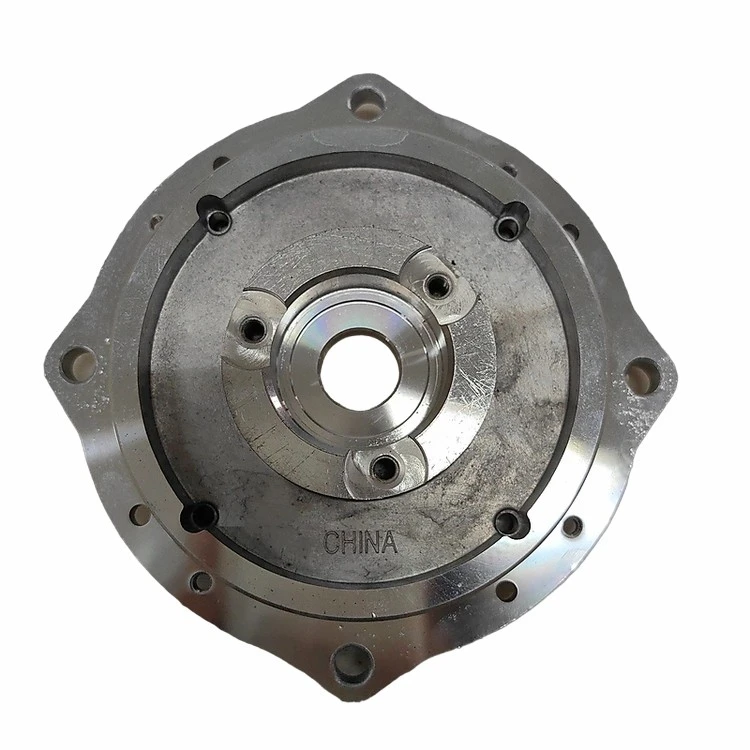
Flanges can be welded or screwed on, depending on the type of flange and piping system requirements. When selecting a flange type, some important aspects include pressure capacity, pipe size, and intended application.
Ring or slip-on flanges have a center hole, and they slide onto a pipe end. The flange face extends beyond the pipe end to be welded into place.
Lap-joint flanges are similar to slip-on flanges but are used in conjunction, which means that the flange doesn't have contact with the medium in the pipe. These flanges don't require welding, which allows them to rotate freely to line up with the mating flange.
Threaded flanges are often used for smaller pipe sizes and do not require welding, which makes them a convenient option—however, they are not suitable for piping systems with thin walls.
Socket weld flanges are used for small, high-pressure applications. The pipe is inserted into one end, then a fillet weld is applied around the outside of the flange. An expansion gap is required between the flange and pipe to reduce weld stress.
Weld neck flanges feature a long, tapered hub that provides reinforcement and improved distribution of stress for use in high-pressure, sub-zero, or elevated-temperature applications.
Blind flanges are flat, with no bore, and are used to finish off a piping system.
Types Of Flanges
Weld Neck Flanges
These flanges are designed to be welded to a pipe, and they are commonly used in high-pressure and high-temperature applications.
Slip-On Flanges
These flanges slide onto the pipe and are then welded into place. They are less expensive than weld neck flanges and are commonly used in low-pressure applications.
Socket Weld Flanges
These flanges are similar to slip-on flanges, but they have a socket that fits around the pipe. They are commonly used in small-diameter pipes and high-pressure applications.
Threaded Flanges
These flanges have internal threads that allow them to be screwed onto a pipe. They are commonly used in low-pressure and non-critical applications.
Lap Joint Flanges
These flanges are used with a stub end, which is welded to the pipe. The flange then slides over the stub end and is bolted into place. They are commonly used in applications where frequent disassembly is required.
Flange materials
Carbon Steel
Carbon-steel flanges are alloyed primarily with carbon. Carbon steel has a high hardness and strength that increases with carbon content but lowers ductility and melting point. Carbon steels range from mild and low, with 0.16—0.29% carbon to ultra-high carbon steel, with around 1–2% carbon. Steels with carbon content above 2% are considered cast iron.
Alloy Steel
Just as you can enhance properties in plastics with additives, you can alloy steels with other elements to enhance the properties of your chose steel. Common alloys include molybdenum and chromium.
Stainless Steel
Stainless steel is alloyed with chromium in amounts above 10%. It's chromium that gives stainless steel a higher corrosion resistance than carbon steel, which easily oxidizes from air and moisture exposure. Stainless steel is ideal for corrosive applications that also require high strength. Different grades of stainless steels yield different outcomes.
Cast iron
When iron is alloyed with carbon, silicon, and other alloyants, the result is cast iron. Cast irons have good fluidity, castability, machinability, and wear resistance. They tend to be brittle to a degree with low melting points.
Aluminum
This is a low-density metal with medium strength. Malleable and ductile, it's more corrosion resistant than typical carbon and alloy steels. Aluminum is suitable for flanges that need both strength and low weight, such as for irrigation applications.
PVC
A PVC flange is low cost and durable. PVC pipe flanges also have the advantage of being both chemical and corrosion resistant. Additives can make PVC more flexible and softer. PVC flange connections can provide extra protection to underlying pipes. They're also popular for water-treatment processes, favored by the agricultural industry and used in domestic plumbing. Lightweight and easy to install, PVC flanges are perfect for PVC pipe systems.
What Is The Purpose Of a Flange
Connection: Flanges allow for the assembly of components at a joint. One flange is mounted onto the outer circumference of the pipe or equipment, while the other flange is mounted at the opposite side of the joint. They are securely connected using bolts and nuts, ensuring a reliable connection.
Durability: Flanges provide resistance against pressure, temperature, and other forces within the system. High pressures or temperature changes between pipelines or equipment can be effectively accommodated due to the solid connection provided by flanges.
Sealing: Flanges are used to achieve sealing at the joint. Gaskets or sealing materials at the joint prevent unwanted leaks of liquids or gases within the pipelines. This is important for safe operations and environmental protection.
Ease of Assembly and Maintenance: Flanges allow for easy assembly and disassembly of pipes or equipment. When repairs, maintenance, or modifications are needed, the parts can be quickly separated and reassembled using flanges. This provides a significant advantage for production continuity and efficiency.
Flexibility: Flanges enable transitions between different pipe diameters, pressure classes, or materials. They are used at joints of different components or systems to bring together various elements and ensure compatibility.
Flanges are widely used in industries such as industrial plants, petrochemical facilities, water treatment plants, shipbuilding, and the oil and gas industry. In these sectors, flanges are considered a critical component to provide a secure and solid joint, ensure sealing, and facilitate easy assembly or maintenance.
Steps to follow in welding flanges
Step 1: Preparing The Flanges
Start by cleaning the flanges thoroughly, removing any dirt, oil, or debris. Then, using a wire brush or grinder, remove any rust or scale from the surface of the flanges. Once the flanges are clean, place them together and align them correctly.
Step 2: Tack Welding
Tack welding creates small, temporary welds that hold the flanges in place while you complete the final weld. Use a Metal Inert Gas (MIG) or Tungsten Inert Gas (TIG) welder to create small welds around the circumference of the flanges. Be sure to avoid welding in the areas where the final weld will be placed.
Step 3: Final Welding
To create a strong and secure weld, it's essential to use the correct welding technique and settings. During the final welding process, maintain a consistent speed and distance to ensure a uniform weld.
Step 4: Finishing The Weld
You can finish the weld by grinding it to create a smooth surface. You may also use a wire brush or grinder to remove rough edges or excess material from the weld. Once the weld is smooth, clean the flanges to remove debris or dust.
Our Factory
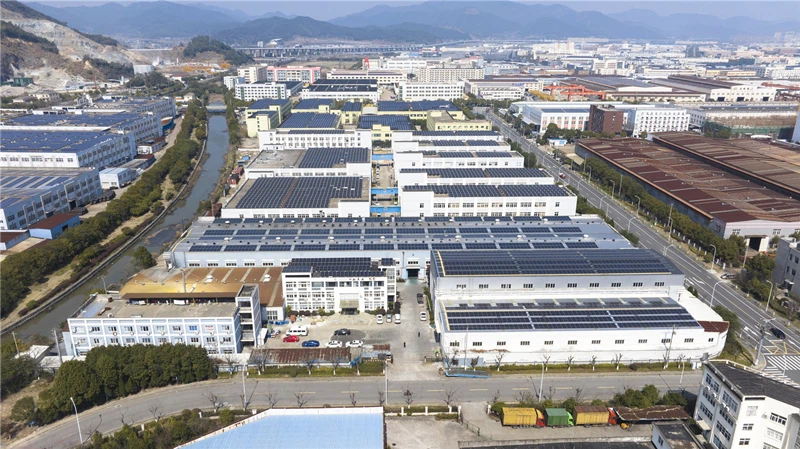
Ningbo Zhouchi Vehicle Industry Co., Ltd. was founded in 1992, located in Binhai Industrial Park of the beautiful coastal port city -Ningbo. Now our company covers the total area of 16000 square meters, with 150 staffs, including 20 quality inspectors and engineers. Our turnover is around12 Millions USD. Our company specializes in Aluminum Die-casting and Zinc Die-casting, CNC machining and assembling.
Certifications

FAQ
Q: What is a flange?
Q: What are Flanges Used For?
Q: What Are The Advantages of Flanges?
Q: Is Flange a Fitting?
Q: What is a Male Flange?
Male flanges are sometimes referred to as "flat flanges" because they have little depth, although there are also deep-drawn male flanges that extend below the plane of the connecting surfaces . These may be used for pressure purposes or simply due to design preference . Male Flanges come in different sizes and shapes to accommodate a range of connections.
Q: What is a Female Flange?
A female flange is used when it's important that the connection can easily be disassembled and removed . This may include changes to existing systems, repairs or upgrades . A female flange does not always need to be attached to a raised surface like the male flange. It can simply connect two objects together .
Females are made in many different shapes and sizes, depending on what they will be used for. For example, an elbow female flange is commonly found at 90 degree angles because this allows it to fit into a corner of two surfaces.
Q: Why Do Flanges Have a Raised Face?
Q: What Is an Adapter Flange?
An adapter Flange is Adapted Coupling which can connect two pipes with different outer diameters or wall thicknesses such as copper tube and steel pipe etc., Converts one size into another like reducing a large size to a small size etc.
Q: What Is an Expansion Flange?
The expansion flange is used to prevent damage due to thermal growth of pipes and vessel that occurs when they are heated up or cooled down. It can make large variations in temperature between hot and cold water crossings with no problems for your pipeline.
Q: Is Flange a Standard?
Q: Why are flanges important?
Q: Weld Neck Flanges
Q: What are the two main standards of flanges?
Q: Where do you put a flange?
Q: Why do flanges leak?
Q: What happens if you use too small of a flange?
Q: Can you pump without the flange?
Q: What happens if flange is too big?
Q: What size flange do most people use?
Q: Do you need a flange?
As one of the leading flange manufacturers and suppliers in China, we warmly welcome you to buy cheap flange from our factory. All customized products are with high quality and competitive price.
Steering Handle Lever, Clutch, Heat Resisting Sheet